
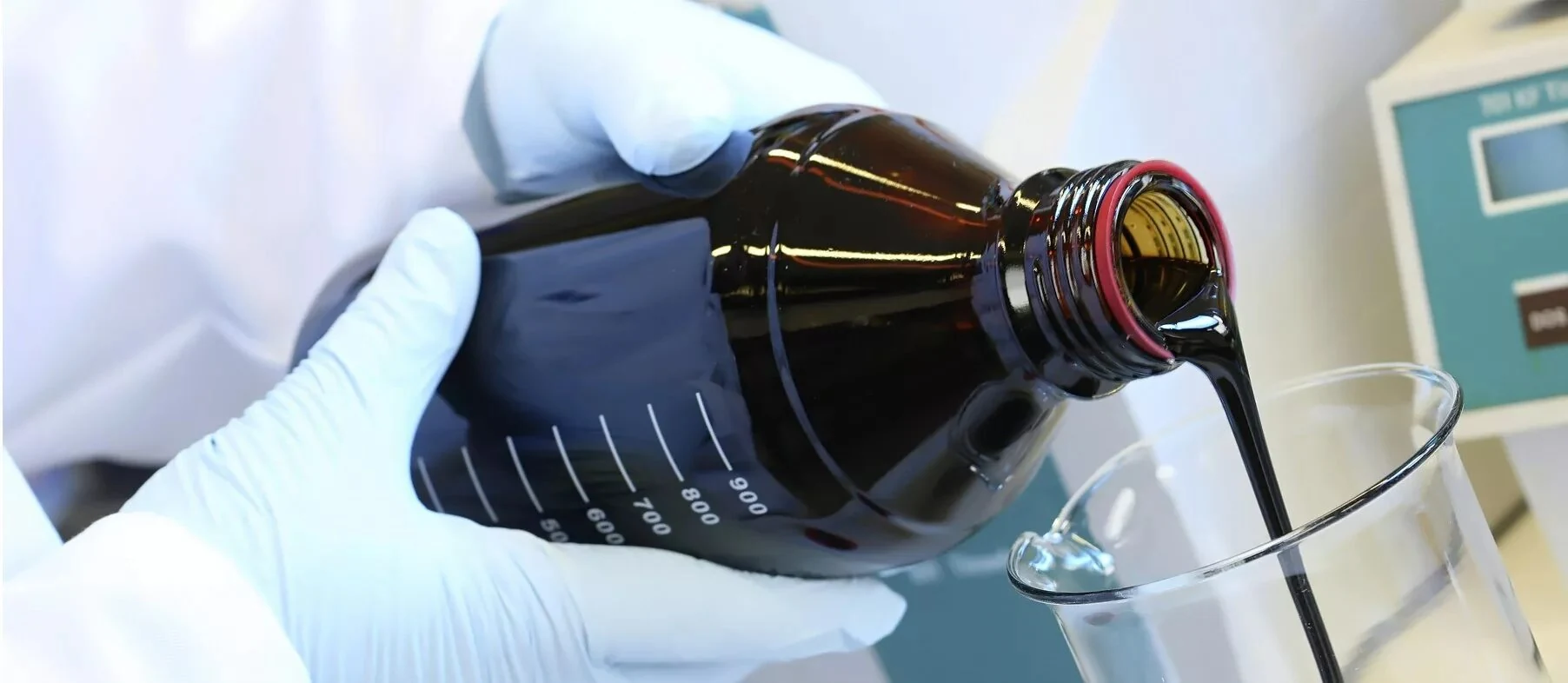
What we check
- The specification named in the contract
- Certificates of quality and quantity
- Inspection and laboratory reports
- That the documents agree with each other and with the contract
From specification to acceptance
- SpecificationNamed in the contract
- SamplingTaken by the inspector at the tank or vessel
- Laboratory testAgainst the methods in the standard
- Certificate of qualityIssued by the laboratory
- ComparisonResults checked against the contract
- AcceptanceOr the remedy the contract provides
Common product standards
| Product | Standard commonly named |
|---|---|
| Diesel | EN 590 |
| Jet fuel | ASTM D1655 or DEF STAN 91-091 |
| Gasoline | EN 228 or ASTM D4814 |
| Marine fuels | ISO 8217 |
| LPG | ASTM D1835 or EN 589 |
| Crude oil | Assay for the grade and origin |
Independent inspection
Where a contract calls for it, we coordinate inspection by an independent inspection company at the loading or discharge point. The inspector's report, and not our opinion, is the evidence the parties rely on.
We keep the quality documents for each trade so that the parties can refer back to them. The specification for each product is listed on our trading page.
Questions we are asked
Who appoints the inspector?
The contract names the inspector or says how one is chosen. Inspection companies are independent of buyer and seller.
What happens if a result is outside the specification?
The contract sets out the remedy. Common ones are re-testing of retained samples, a price adjustment or rejection.
Which documents show quality and quantity?
A certificate of quality from the laboratory and a certificate of quantity from the inspector.